Comprehensive Construction Services for Every Project
Extensive building support are crucial for the proper handling of any building project. They facilitate seamless integration across all phases, guaranteeing effective dialogue and collaboration among teams. This approach not only minimizes setbacks but also strengthens adherence to financial and scheduling requirements. As stakeholders seek superior results, comprehending the different solutions available becomes increasingly critical. What specific elements support a project's achievement, and how can they be effectively implemented?
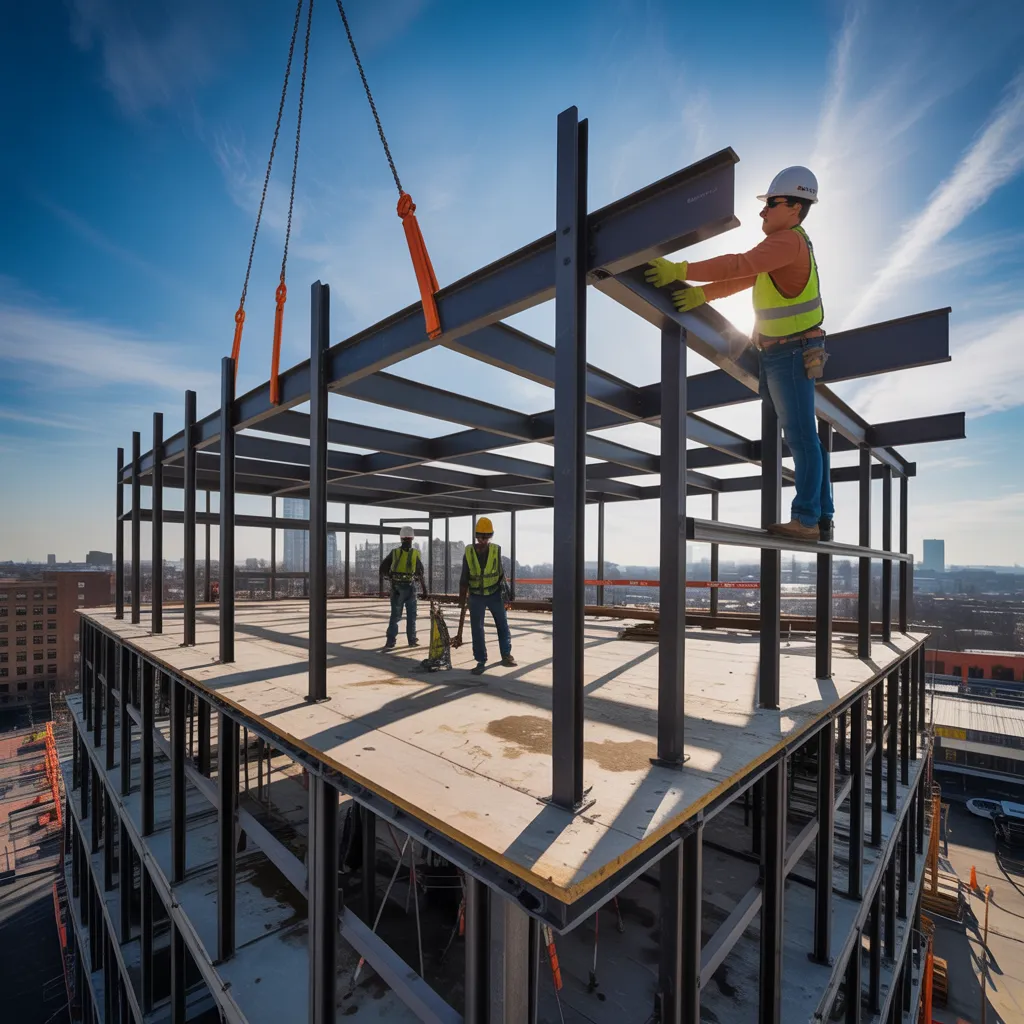
Why Thorough Construction Solutions Are Vital
Thorough construction services are essential because they streamline the construction workflow, guaranteeing that all project phases are coordinated efficiently. These services include a range of tasks, including planning, design, and implementation, which contribute to the overall success of an project. By coordinating various teams and resources, comprehensive building solutions reduce the likelihood of confusion and setbacks.
Additionally, they strengthen commitment to timelines and budgets, preventing potential issues proactively. This amount of organization nurtures a collaborative environment, letting stakeholders to communicate openly and efficiently.
Additionally, extensive solutions guarantee adherence with local regulations and safety standards, minimizing risks connected with construction activities. Overall, the incorporation of detailed construction services improves project quality, resulting in durable and sustainable outcomes. In an industry where precision matters, such services deliver the necessary framework for achieving client satisfaction and meeting project goals.
Critical Building Services for Home Owners
Property owners working to enhance their living spaces can gain substantial advantages from essential construction services tailored to their individual needs. These services cover a selection of offerings, including remodeling, renovations, and repairs, which allow homeowners to change outdated areas into up-to-date, efficient spaces. Kitchen and bathroom remodels often generate essential information substantial investment returns, improving both aesthetics and utility.
Additionally, exterior work including roofing and wall repairs confirm the home remains protected and attractive. Landscaping and outdoor improvements create welcoming environments for socializing and unwinding.
Homeowners can take advantage of energy-efficient upgrades, which cut utility costs while advancing sustainability. By engaging experienced contractors, homeowners can handle the complexities of construction projects with ease, ensuring adherence to local regulations and timelines. Overall, these crucial solutions facilitate homeowners to realize their visions, ultimately boosting property value and quality of life.
Key Services for Commercial Construction
The commercial construction industry relies upon expert project management and reliable material sourcing as important drivers. These services promise that projects are completed on time and within budget while maintaining high standards. Appreciating their worth can lead to more successful construction outcomes.
Project Coordination Mastery
Throughout the traversal of commercial construction dynamics, competent project management capabilities becomes required to guarantee timely handoff and spending control. Skilled project managers function in orchestrating various elements of a construction project, including scheduling plans, resource allocation, and team coordination with stakeholders. They employ advanced methodologies to mitigate risks and adapt to sudden changes, confirming that projects remain on track. By using digital platforms and performance data, project managers can enhance planning outcomes, strengthening efficiency and results. In addition, their ability to foster cooperation among contractors, architects, and clients is indispensable for aligning expectations and achieving project goals. At the end of the day, world-class project management skills acts as the backbone of flourishing commercial construction undertakings, moving projects from conception to delivery with meticulous care.
Quality Material Procurement
Quality material sourcing is a critical component in the landscape of commercial construction, directly influencing project durability and overall success. Effective sourcing involves selecting premium materials that meet specific project requirements while adhering to budget constraints. This process often demands building strong relationships with reliable suppliers to guarantee prompt shipment and consistency in quality. Additionally, understanding local regulations and environmental practices plays an essential role in sourcing decisions. By prioritizing quality materials, construction firms can enhance building strength and reduce ongoing maintenance costs. Ultimately, a focus on quality material sourcing not only supports a project's immediate goals but also contributes to its longevity and resilience in a competitive market.
Selecting the Top Construction Services for Your Project?
When selecting construction services, it is essential to establish project requirements precisely to ensure compliance with goals. Evaluating the qualifications of prospective contractors further improves the likelihood of a successful outcome. Careful consideration of these factors can result in a more streamlined and productive construction process.
Set Project Parameters in Clear Terms
Articulating project requirements in a clear manner is essential for selecting the most suitable construction services. This involves recognizing specific goals, timeframes, financial constraints, and necessary materials. A distinctly articulated statement of work helps confirm that every party comprehend mutual expectations. In addition, providing information on regulatory requirements or location considerations will prevent unforeseen setbacks and miscommunication in the construction phase. When setting clear criteria early in the process, project directors can communicate their requirements to prospective vendors, facilitating wiser decision-making. In summary, comprehensive record-keeping of project requirements makes selection more efficient and also establishes the groundwork for smooth outcomes and minimizes the risk of expensive changes at a later time.
Review Service Provider Competence
How can construction leaders guarantee they select the most qualified construction service providers? Evaluating the expertise of potential contractors is essential. This process begins with reviewing each provider's body of work, which showcases past projects and relevant background. Construction leaders should also confirm permits, credentials, and coverage to confirm compliance with professional requirements. Collecting references and client testimonials can provide understanding into a provider's dependability and craftsmanship. Additionally, conducting interviews allows construction leaders to evaluate communication skills and comprehension of assignment specifications. Analyzing bids not only on cost but also on scale, timelines, and standards can additionally assist in selection. Ultimately, a comprehensive assessment of contractor qualifications establishes the groundwork for effective implementation and satisfaction.
Optimizing Your Construction Project Productively
To achieve productivity in construction projects, it is essential to adopt a systematic approach that reduces delays and maximizes resource allocation. Strong dialogue among team members is crucial, ensuring that everyone is synchronized with project goals and timelines. Utilizing project management software can streamline workflows, allowing for real-time updates and task tracking.
Furthermore, adopting a staged methodology allows teams to concentrate on particular project components, reducing the probability of overlapping tasks that can lead to miscommunication. Consistent progress assessments and modifications based on key performance indicators assist in detecting potential bottlenecks early.
Establishing explicit roles and assignments encourages accountability, driving teams to meet deadlines without compromising quality. Furthermore, engaging in preventative risk management prepares teams for unanticipated challenges, enabling swift responses that keep projects on track. By integrating these strategies, construction projects can achieve greater efficiency, reducing costs and enhancing overall outcomes.
Creating A Construction Project That Is Environmentally Responsible and Superior in Quality
Leveraging environmental methods in building not only elevates project quality but also decreases ecological damage. By applying sustainable materials and approaches, construction firms can substantially reduce energy waste and consumption rates. This technique not only fulfills compliance obligations but also appeals to environmentally conscious patrons.
Using sustainable materials, such as bamboo or recycled metals, contributes to durability while lowering carbon footprints. Additionally, adopting energy-efficient technologies, like solar panels and advanced insulation, ensures long-term operational savings and improved building performance.
Collaboration with certified green professionals further elevates achievement levels, ensuring compliance with eco-friendly standards.
Furthermore, putting into place a waste disposal program during the construction phase can streamline processes, reducing costs and environmental harm.
Ultimately, a investment in sustainability in construction develops high-quality projects that align with both stakeholders and the community, passing down a legacy of responsible building practices. Such focus not only elevates the reputation of construction firms but also furthers a healthier planet.
Regular Asked Questions
What Are the Standard Timeframes for Construction Projects?
Common timelines for construction undertakings range considerably, commonly extending from a few months to several years. Determinants of duration feature project size, complexity, regulatory approval, seasonal factors, and resource availability, impacting overall completion time.
What Should I Do About Unexpected Construction Delays?
To handle unforeseen building delays, one should evaluate the circumstances, engage with relevant parties, adjust timelines, and investigate alternatives. Adaptability and forward-thinking strategies can mitigate impacts and maintain project momentum despite challenges.
What Clearances Are Needed for Construction Projects?
Construction projects require various permits, such as building, power, water, and land use permits. The precise specifications stem from regional ordinances, work magnitude, and area, necessitating discussion with local authorities essential for adherence and support.
In What Way Is Project Budgeting Controlled During Construction?
Project budgeting is managed through regular assessment of expenses, adapting forecasts based on actual costs, and facilitating communication among stakeholders. This guarantees harmony with financial goals and swift identification of potential overruns or savings.
What Safety Precautions Are Implemented on Building Sites?
Construction sites implement multiple safety measures, such as routine safety instruction, use of personal protective equipment, visible warning signs, site inspections, emergency protocols, and compliance with standards to reduce hazards and guarantee the well-being of employees.